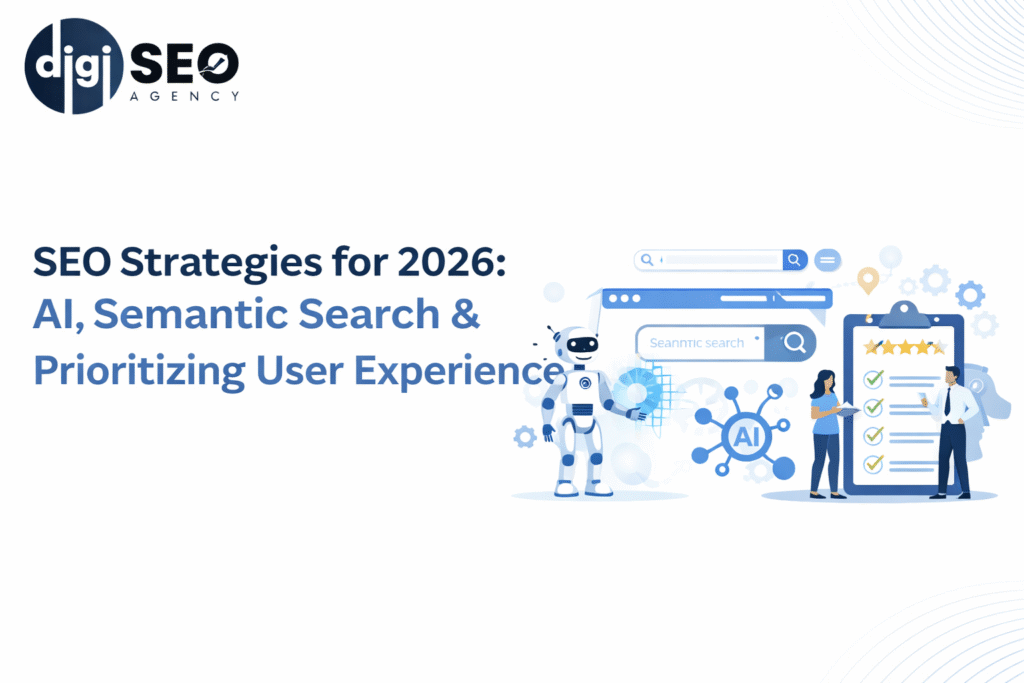
SEO is changing at lightning speed, and staying ahead requires smarter strategies than ever before. Gone are the days when simply sprinkling keywords across a page would help you rank. In 2026, winning SEO strategies focus on AI-powered insights, semantic search, and user-first approaches.
For businesses, this means creating content that not only pleases search engines but also genuinely helps people. In this guide, we’ll walk through 10 next-level SEO strategies that combine technology, smart optimization, and a human touch so your content can rank higher and engage readers effectively.
1. AI-Enhanced Content Research
AI has changed the way we plan and optimize content. Tools like ChatGPT, Surfer SEO, and SEMrush analyze search intent, trending topics, and content gaps to help you make smarter decisions.
How to apply it:

For customized SEO strategies that align with your business needs, Contact us today.
Learn More- Use AI to uncover hidden long-tail keywords competitors might have missed.
- Blend AI insights with your human perspective to ensure authenticity.
- Update or expand existing pages based on AI-driven data.
Why it matters: AI helps you work smarter, while human judgment ensures the content feels genuine and trustworthy.
2. Semantic SEO & Topic Clusters
Modern SEO isn’t just about individual keywords it’s about covering entire topics in a way Google can understand. Semantic SEO focuses on context and relationships between ideas.
How to apply it:
- Build topic clusters with a central pillar page and supporting articles.
- Use related terms and synonyms naturally throughout your content.
- Link internally between pages to strengthen topical authority.
Benefit: Google better understands your content, and users get a complete picture of the topic.
3. Human-Centric UX Signals
User engagement has a real impact on rankings. Metrics like dwell time, scroll depth, and clicks show how valuable your content is.
How to apply it:
- Break content into short paragraphs with headings and bullet points.
- Make your pages mobile-friendly and visually appealing.
- Include images, tables, or interactive elements to keep readers engaged.
Benefit: When users enjoy your content, they stay longer and Google rewards that.
4. Structured Data & Rich Snippets
Structured data helps Google understand your content more clearly, increasing the chances of rich results in search.
How to apply it:
- Add Article, FAQ, How-to, or Product schemas as relevant.
- Use structured data for featured snippets and voice search optimization.
- Test your schemas with Google’s Rich Results Test.
Benefit: Enhances your visibility in search and makes your content more interactive and clickable.
Also Read: SEO vs AEO vs GEO: The Future of Search
5. Predictive SEO with AI
AI can predict trends, identify content gaps, and help you plan ahead.
How to apply it:
- Use AI to forecast keyword popularity and trending topics.
- Adjust content strategies based on predicted traffic shifts.
- Refresh existing content to stay ahead of emerging trends.
Benefit: Keeps your strategy proactive and positions you as an industry leader.
6. Interactive Content for Engagement
Interactive content not only makes your pages fun but also signals value to Google.
How to apply it:
- Add quizzes, polls, calculators, or interactive infographics.
- Encourage social sharing and engagement.
- Highlight actionable insights that users can apply immediately.
Benefit: Boosts dwell time, encourages sharing, and can even attract backlinks naturally.
7. Core Web Vitals & Technical SEO
Page speed, mobile responsiveness, and layout stability are more important than ever. Google now uses Core Web Vitals as ranking signals.
How to apply it:
- Optimize images using modern formats like WebP.
- Minimize scripts and CSS that block rendering.
- Make sure your website delivers lightning-fast loading and a seamless experience on every device.
Benefit: A smooth, fast experience keeps users happy and improves SEO.
8. Content Personalization & Intent Matching
Understanding why users are searching allows you to create content they actually want to read.
How to apply it:
- Segment content based on user behavior, location, or interests.
- Analyze which pages perform best and replicate their success.
- Guide users to related pages using internal links.
Benefit: Matches user intent, improves conversions, and strengthens your site’s authority.
9. Voice Search & Natural Language SEO
Voice search is growing rapidly. People speak differently than they type, so your content needs to reflect natural language.
How to apply it:
- Include long-tail conversational keywords.
- Use FAQ sections or How-to guides to answer questions directly.
- Keep sentences clear and concise.
Benefit: Captures traffic from voice searches and increases your chances of appearing in featured snippets.
10. Authority Building via Micro Case Studies
Original case studies and experiments demonstrate expertise and build trust with both Google and your audience.
How to apply it:
- Share small experiments, analytics insights, or client success stories.
- Include charts, screenshots, and data points.
- Link to related pages to reinforce authority.
Benefit: Shows that you have real-world expertise, which boosts credibility and SEO.
Also Read: Why Every Business Needs to Know About SEO in 2026
Bonus Tip
If you’re looking for professional support, working with a reliable seo company in ahmedabad can help you implement these strategies effectively while saving time.
FAQs
Q1: How can AI improve my SEO?
AI helps uncover content gaps, predict trending keywords, and optimize writing for relevance and user intent, all while reducing repetitive tasks.
Q2: What is semantic SEO and why is it important?
Semantic SEO focuses on context and topics rather than just keywords. It helps Google understand your content and improves the likelihood of ranking for multiple related queries.
Q3: How do Core Web Vitals affect SEO?
Core Web Vitals measure page speed, interactivity, and visual stability. Optimizing them enhances user experience and improves search engine rankings.
Q4: What is human-centric SEO?
Human-centric SEO prioritizes the needs and experience of users. Pages that are clear, engaging, and helpful rank better because Google rewards content that satisfies real people.
Conclusion
SEO in 2026 isn’t about tricking search engines, it’s about smart strategies, human-centered design, and leveraging AI effectively. By combining semantic SEO, structured data, predictive tools, and interactive content, you can create content that ranks higher, engages users, and drives meaningful traffic.
Implement these techniques, and your website won’t just follow SEO trends , it will lead them.